 Skip to content
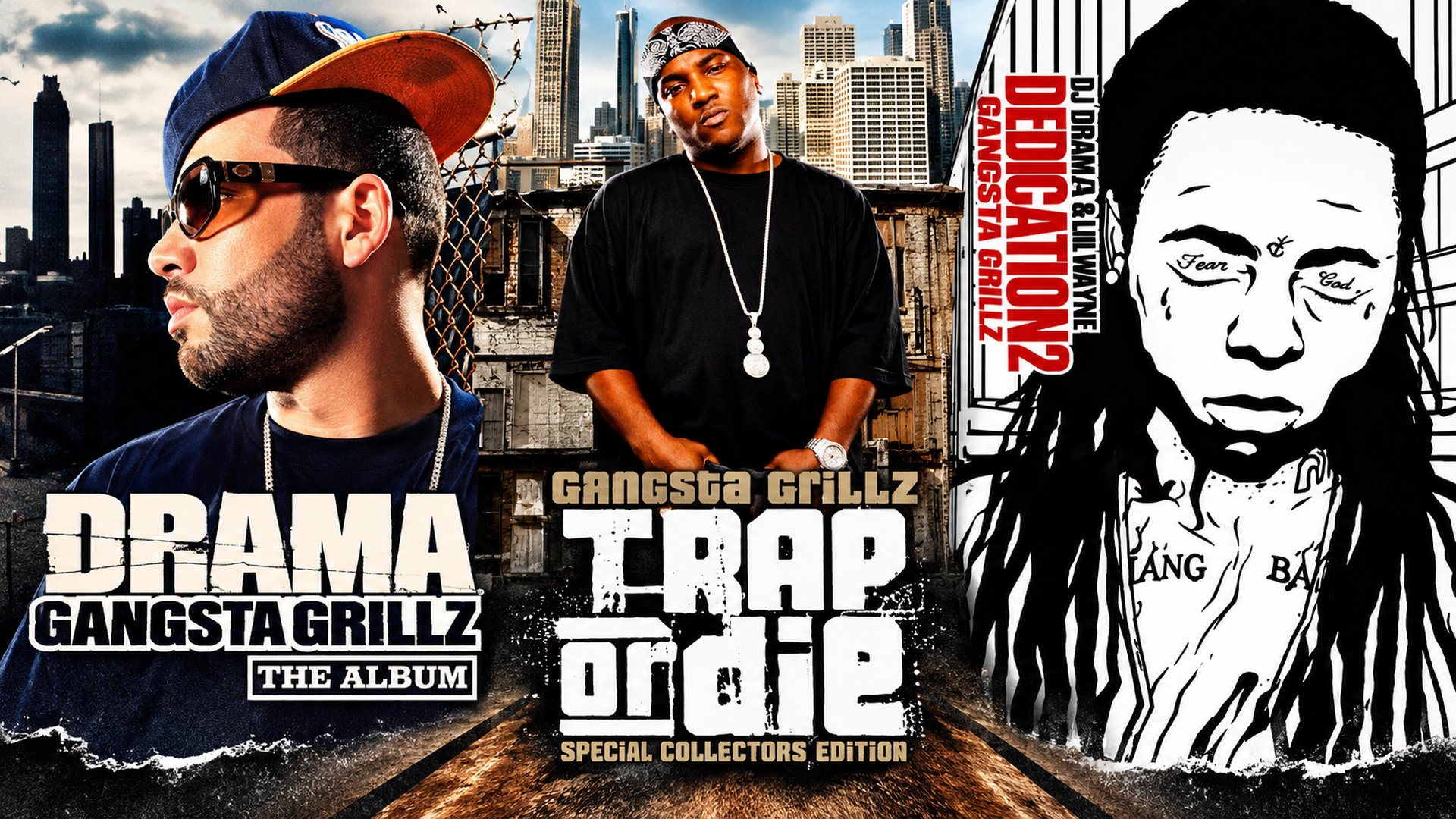
Before fans argued over the numbers released in the first week and rappers watched the single. TikTok, shouts a DJ “Gangsta Grillz” One hit was enough to let everyone know that something serious was about to go down.
Hip-hop fans were downloading ZIP files, burning CDs, refreshing DatPiffand walk around their neighborhood blasting songs that would never touch commercial radio. Mixtapes weren’t just promotional projects. They could have a career, rap, and give artists more credibility than a platinum-selling album on the streets.
But between copyright lawsuits, the demise of independent mixtape platforms and the rise of streaming services, one of hip-hop’s most influential traditions has lost its cultural influence.
DJs liked it before digital downloads became the norm DJ Clue, DJ Kay Slay, DJ Whoo Kid, and DJ Drama helped turn mixtapes into mainstream listening. Getting an exclusive free or unreleased record from a major rapper can make a DJ’s project one of the hottest commodities in the neighborhood.
DJ Drama took this formula to another level with him “Gangsta Grillz” A series that helped Southern hip-hop command national attention. “Trap or Die” by Jeezy and Lil Wayne’s “Hesr 2” turned into career-defining projects.
However, the business suffered a major setback January 2007 when authorities raided Drama’s Atlanta studio. Drama and companionship DJ Don Cannon were arrested on smuggling and racketeering charges, but neither was ultimately prosecuted.
Raid exposed a contradiction in the music industry. Mixtapes helped create excitement around artists benefiting from record labels, but distributing music without proper permission raised serious copyright concerns.
Made to order and delivered to your door.
Instead of disappearing, mixtape culture has found a new home on the internet.
It started 2005, DatPiff has become the digital headquarters for hip-hop fans. Next to it Live Mixes and finally With spinnerthe platform gave rappers direct access to listeners without being completely dependent on traditional radio or major label releases.
Gucci Mane filled the streets with new music. Lil Wayne destroyed other rappers’ instrumentals. Wiz Khalifa delivered “Bird and orange juice,” Future projects are ongoing, including “Monster”, “Monster Mode”, and “56 Nights” helped solidify his superstar status.
Artists can build large followings by giving music away and translating that popularity into touring opportunities, club bookings, merchandise sales, and eventually commercial releases.
Streaming has changed these incentives.
With Spotify and Apple Music offering access to massive music catalogs, downloading individual mixtapes has become less of a necessity. Artists could also receive royalties from projects that were previously distributed for free.
Drake’s commercially released 2015 draft, “If you’re reading this, it’s too late” demonstrated that the distinction between albums and mixtapes was becoming increasingly blurred.
“Blogs became a source for mixtapes, and now we have playlists,” Drama told GQ in 2021.
Copyright restrictions have also hampered efforts to bring classic mixtapes into the streaming era. Once upon a time, rappers who freely wrote over popular instrumentals required permission from copyright holders to commercially distribute those recordings.
Lil Wayne’s 2009 classic “No ceiling” came to streaming services in August 2020, ten original tracks and no skits. Likewise, “Acid Rap” by Chance the Rapper originally arrived on major streaming platforms in 2019 without the original recording of “Juice” due to sample clearance issues.
The biggest warning signs came in 2023. DatPiff faced major disruptions and subsequently announced a partnership with the Internet Archive to preserve its catalog. Meanwhile, Spinrilla was ordered to shut down after a $50 million copyright infringement verdict involving major record labels.
Even DJ Drama acknowledged the transformation of the industry during an interview in 2021 Rolling Stone.
“It had to take a backseat to streaming and playlists,” he said of traditional mixtape culture.
Still, the spirit of the mixtape hasn’t completely disappeared. Tyler, Creator Grammy winner “Call me if you lose” With the drama’s signature story, it demonstrated that the format’s creative influence remains strong.
What hip-hop lost wasn’t necessarily the ability to release mixtapes. It lost the independent ecosystem where DJs could break records, underground artists could compete with superstars, and fans could discover their next favorite rapper without an algorithm telling them who to listen to.
Streaming may have made music more accessible, but anyone who remembers the DatPiff refresh on launch day knows that convenience doesn’t always come with the same excitement.